It All Started in the Copper Age
It is difficult to pinpoint the exact first creator of the backpack. As early as the Copper Age, accessories for carrying various items on the back were already known. In the Val Senales Valley in Italy, a mummy from this era was discovered. The "Iceman" was believed to have carried a backpack made of hazel wood and probably animal skins during his journey. The find dates back to around 3300 BCE, long before the first school was established. This mummy with a backpack was found by tourists in 1991. Our journey with the backpack quickly takes us to the Middle Ages. It is important to note that in the Middle Ages, backpacks were made of green, unpeeled wicker called hemp, and they were used to carry crops, weapons, and even hunted game. In the Middle Ages, the first leather backpacks were also made, which were heavy but more comfortable than the baskets fastened to the back with leather straps.
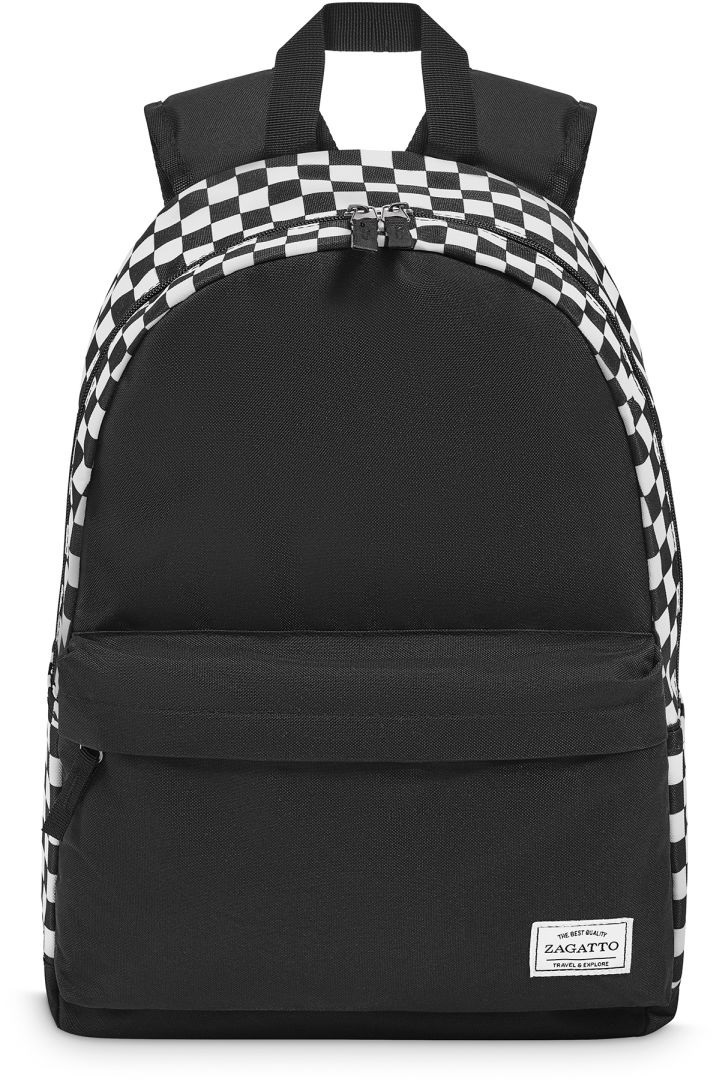
⬆️Plecak w wzór szachownicy 20L ZG766⬆️
Development of the Military Backpack
Backpacks became widely used and produced in the 19th century. This was a time of exploration, as well as numerous wars, so military backpacks were developed. In 1870, during the Civil War, they were made of sticks and canvas fabrics. The first functional backpack for the U.S. Army was created in 1877. This backpack used metal to reduce its weight. Just five years later, Camille Poirier improved the military backpack by adding a head strap secured with straps and buckles. It is worth noting that this backpack design is still used in kayaking. Another backpack was constructed by Ole F. Bergman in 1908. It had a wooden frame made from birch bark and was made from soft material. In 1914, backpacks known as "bread bags" were created. They featured fastenings on the upper and lower parts of the back and compartments for ammunition, canteens, and other equipment.
When Did the Production of Hiking Backpacks Begin?
In 1922, Lloyd F. Nelson designed a hiking backpack with a rigid frame, which he used to traverse Alaska. His backpack was made of sticks and seal skins. Fortunately, in the production that began two years later, canvas fabrics were used instead of skins. If you're wondering when the first zipper backpack was created, it was in 1938. It was a nylon bag with zippers sewn by machine, and its creator was Gerry Cunningham. He wanted to create a backpack that was comfortable for outdoor enthusiasts and those who enjoyed hiking or rock climbing. After World War II, between 1945-46, he and his wife began producing backpacks under the "Gerry's" label for skiers and mountaineers. By 1967, his company was a pioneer in producing lightweight, durable backpacks in the shape of droplets. Cunningham can be regarded as the creator of the modern backpack.
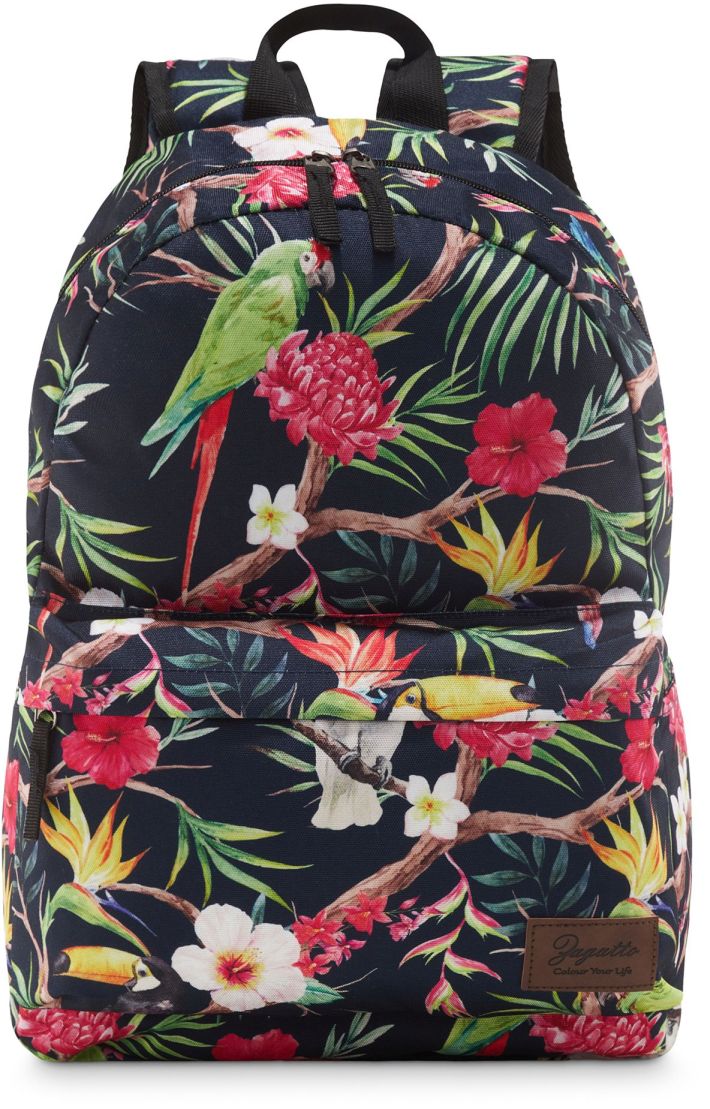
⬆️Plecak w papugi "Rio" ZG640⬆️
Evolution of School, Military, and Hiking Backpacks - From Wooden Frames to Backpacks for Heavy Books
By the late 1940s, backpacks moved from the battlefield and outdoor activities into schools. Ake Nordin created a cotton bag with a wooden frame that could be carried on the back. Later, the Fjällräven company was founded, which still produces backpacks to this day. In 1952, Kelty backpacks with metal frames were created by Dick and Nena Kelty. In 1959, plastisol ink was used to create prints on backpacks. As a result, children could carry backpacks with characters like Mickey Mouse, the Flintstones, or Bugs Bunny. In 1960, a multi-compartment military backpack was created, which soldiers used during the Vietnam War. If you're wondering when the first transparent backpack appeared, it was in the same year. This design was paradoxically meant to enhance security. The first wheeled backpack with an internal frame was created in 1967 in the garage of Greg Lowe from Colorado. In the same year, JanSport released its backpacks originally designed for mountain climbing, which quickly became a student staple. In 1980, the Book Pack, a bag designed to carry heavy books, was produced by L.L. Bean and quickly made its way into Harvard bookstores.
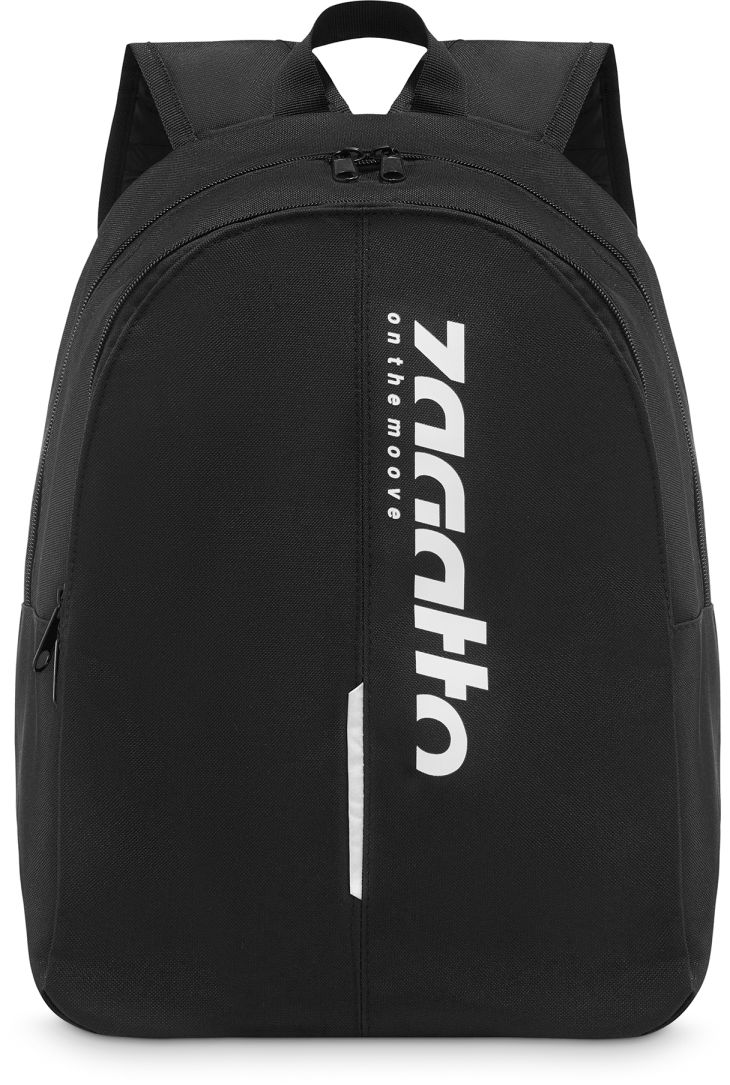
⬆️Czarny plecak sportowy z odblaskowym paskiem "On the Move" ZG697⬆️
Specialized Backpacks - Camelbak and Camera Backpacks
The first functional bicycle backpack was created in 1989. Its creator, Michael Aidson, was looking for a way to carry water during a 100-mile ride through Texas. This led to the creation of CamelBak, a backpack with a water reservoir. Thanks to its built-in water container and dispenser, it allows for hydration without needing to reach for a bottle. However, backpack innovations in the following years went even further. By the late 2000s, backpacks started to be designed not only with compartments but also with additional cases for carrying cameras and straps for attaching a tripod. This was and still is a real treat for photographers.
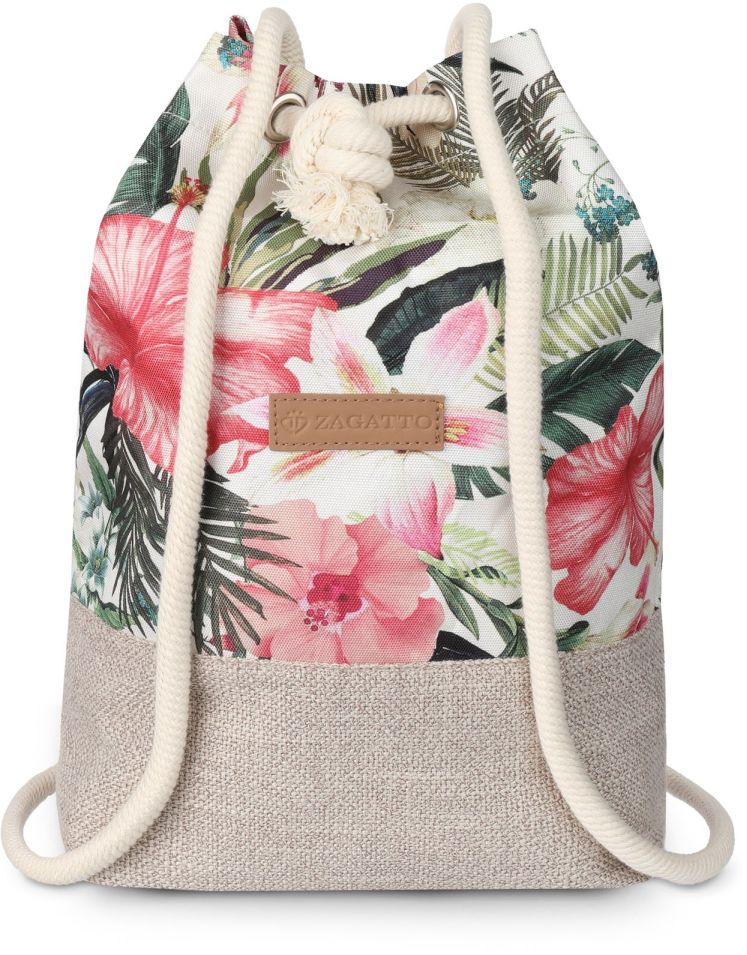
⬆️Plecak damski beżowo-kwiatowy "Marsilia" ZG668⬆️
Recent History - Contemporary School Backpacks
And now we come to the present times. Backpacks, after a period of declining sales due to the pandemic, are once again becoming popular. School backpacks today feature well-profiled designs that are lightweight, yet capable of carrying a significant load without straining the back, and they come equipped with technological innovations. For example, some backpacks come with a compartment for a laptop. Such a model is ideal for older students and even university students. Great options also include backpacks with a USB port. You can find these models here: https://zagatto.pl/pl/plecaki. Backpacks are often made not only from nylon but also polyester, which is resistant to dirt, increasing their functionality. Special padding is used in straps, ensuring they don't leave marks on the shoulders, along with adjustability. This is an excellent choice for the most demanding users.
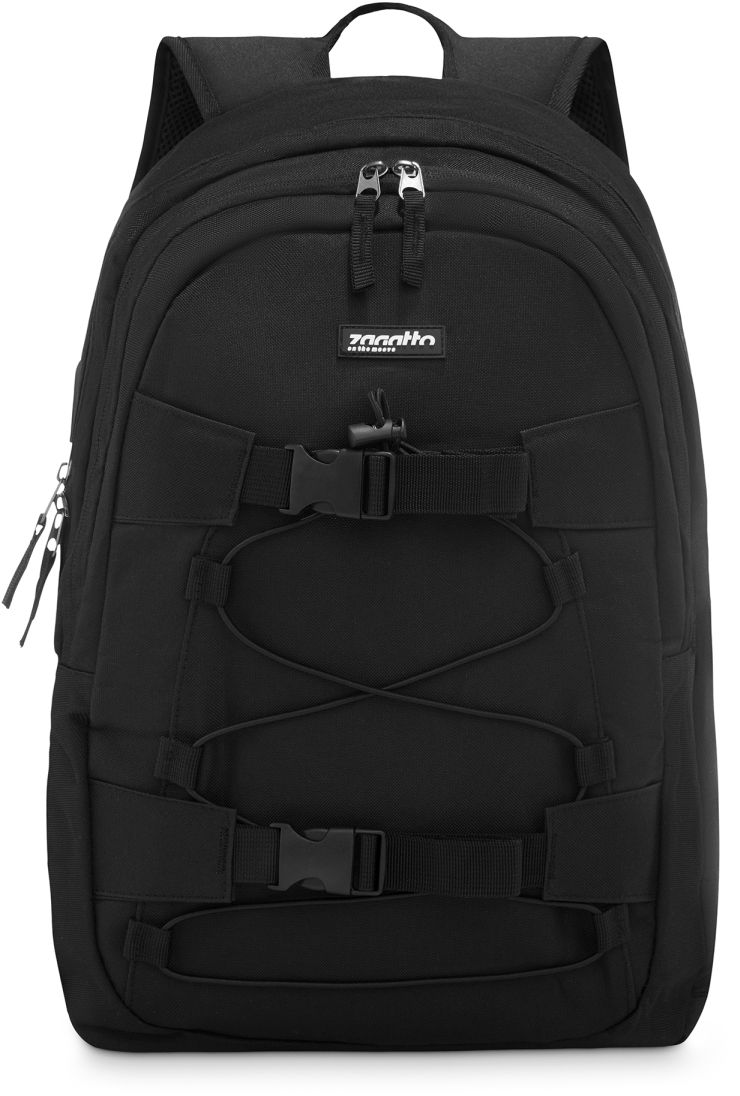
⬆️Plecak z uchwytem na deskorolkę ZG69 SCOUT⬆️
It must be said, that backpacks have come a long way from wooden constructions to lightweight, waterproof backpacks made of nylon and polyester. One thing remains unchanged - the backpack is an inseparable part of our journey through life.
Read also

How to Choose the Perfect Everyday Bag?
Read moreA handbag is not just an accessory, but often an inseparable part of every woman's daily outfit. Choosing the perfect handbag can be a challenge, but it's certainly worth dedicating some time to this topic. Here are a few tips to help you choose the ideal everyday bag, inspired by the Zagatto store's offer.
-
What Are the Types of Pencil Cases and Which One to Choose? Something for Students and More!
A sturdy and functional pencil case is an essential item for every student. It’s important to pay attention to aspects such as shape, capacity, design, and the quality of construction. Based on our selection, we’ll see what types of pencil cases there are and how to equip them for students of different grades.Read more -
Carry-on and Checked Baggage: What Can You Bring on a Plane?
No matter how experienced you are with flying, whether you travel seasonally or feel at home in airports around the world, the issue of baggage is always a concern. Will it be too heavy? Are the dimensions of the carry-on bag correct? Will my suitcase be accepted on board? Have my cosmetics been packed according to the guidelines? The rules regarding carry-on and checked baggage vary depending on the airline, but there are a number of universal rules for flying that must be followed. We present the most important ones.Read more -
How to Transport a Laptop? Backpack, Case, or Bag – Where Will Your Laptop Be Safe?
More and more people need to carry a laptop with them, either for work, university classes, or even school. This raises the question – how can you transport it safely to avoid water damage or physical damage? Where will your laptop be safe – in a backpack, case, or bag?Read more