What to Take on Board, and What to Put in the Plane – The Difference Between Checked and Carry-On Baggage.
If you don't fly too often, let's start with the basics. Carry-on baggage refers to your belongings that you can take with you on board. Checked baggage, on the other hand, usually refers to larger items that need to be checked in at the airport, assigned a special number, and then placed in the cargo hold. If you've ever read stories (hopefully never experienced) about lost luggage found on the other side of the world, these types of issues are related to checked baggage. Checked items, most often large suitcases, require special logistics to get from the airport to the correct plane. The situation becomes more complicated when transfers are involved. Luggage loss is not a mere urban legend, but it should not be demonized either – yes, it happens, but usually after a few hours or at most a few days, the luggage ends up in the right hands, and some airlines cover the cost of lost luggage. However, if you're traveling for a short time, you probably won't need a large suitcase. The maximum weight for checked baggage is from 20 kg (budget airlines) up to 35 kg (Middle Eastern airlines). In addition to which airline operates your flight, the class you travel in is also important. For example, in LOT, checked baggage in Economy Class is 23 kg, while in Business Class, it's 2 x 32 kg. Carry-on baggage in these airlines is 8 kg. Short trips, so-called city breaks, are usually budget-friendly and involve traveling with low-cost airlines such as Wizzair or Ryanair. On both airlines, the carry-on baggage included in the ticket price is a small backpack or bag that fits under the seat. In Wizzair, it is a backpack with dimensions of 40 x 30 x 20 cm and a maximum weight of 10 kg, while in Ryanair, it is a backpack of 40 x 25 x 20 cm or a bag of 25 x 40 x 20 cm. Additionally, both airlines allow bringing a travel pillow on board. At the airport, there are special stands that allow you to measure your backpack, and in case of a crisis, there is the option to repack into the luggage of your travel companion. Both airlines also offer an additional carry-on baggage option, which is a cabin suitcase — the possibility to take a suitcase on board comes with an additional fee. This service is called priority, and in addition to a larger piece of luggage, it offers priority boarding. The cost of this service ranges from 50 to 80 PLN for one bag, one way. A cabin suitcase is subject to the same restrictions as carry-on baggage. So, what are they?

Famous 100 ml and Transparent Containers – What Can You Pack in Your Carry-On Baggage?
The almost golden rule, regardless of the airline you choose — only liquids with a volume of no more than 100 ml can be carried in your carry-on baggage. It is said that, starting from 2023, some airports will change the limits and rules for carrying liquids in carry-on baggage to 2 liters without the need to place them in containers, thanks to modern scanners. However, this is still a thing of the future, and this change will not be implemented everywhere simultaneously — we recommend checking current rules or following the existing guidelines. If you arrive at the airport with a water bottle, make sure to empty it before the security checkpoint. You can buy a new water bottle after passing the control, in the duty-free area. The same rule applies to liquid cosmetics; all shower gels, shampoos, tonics, and emulsions must not only be no more than 100 ml but also be transferred to transparent containers. This rule does not apply to cosmetics with a more solid consistency, such as creams or color cosmetics: foundation, cream blush, etc. All cosmetics should be placed in a plastic, transparent toiletry bag inside your carry-on baggage — this will make it easier for the controllers to check its contents. The 100 ml rule often becomes an issue when returning from vacations, as we might want to bring home local olive oil, homemade wine, or other liquid specialties from the cuisine we've been enjoying during our trip. If you only have carry-on baggage, there are two solutions. Buy smaller versions of products — there should be no problem with olive oil, or wait until you reach the duty-free area. Almost every tourist destination has a shop at the airport where you can find local delicacies — usually at higher prices, but at least without the fear that the items you purchase won't be allowed on board. Purchases in the duty-free area do not count towards your carry-on baggage and can be taken on board in an additional bag that you will receive at the point of sale. The same applies to cosmetics — perfumes and liquid cosmetics bought in the airport shopping area are no longer subject to any verification. However, if you're traveling to a place known for good quality olive oil and other food products, consider whether it's better to purchase checked baggage, which has no liquid limits and can be filled with local specialties that will serve you long after the vacation.
Without Discussion — What You Cannot Carry in Your Carry-On or Checked Baggage.
Razors, blades, sharp objects cannot be placed in carry-on baggage, but can be in checked baggage. Lithium-ion batteries are accepted in carry-on baggage but not in checked baggage. Items that cannot be transported, regardless of the type of baggage, include: fireworks, gas containers (including camping gas bottles), firelighters, fire extinguishers. Also, watch out for self-defense items, such as pepper spray. A small can of pepper spray might remain unnoticed at the bottom of your backpack or in your coat pocket, but it is a high-risk item and cannot be transported in either carry-on or checked baggage. There is often debate about medications — they can be carried, but remember that you may be asked to confirm their authenticity, so it’s best to carry them in their original packaging, and if they are prescription medications — bring the prescription with you. While weapons, sharp objects, and related regulations are not surprising, there are many products and items that may seem like innocent souvenirs from your vacation but can cost you dearly. You cannot carry items made from wild animal leather or souvenirs like shells, corals — if you’ve collected shells during a beach walk, leave them where they belong. Speaking of the beach — if you're vacationing in Sardinia, be very careful not to take the local sand as a souvenir. It is under strict protection, and people who were tempted to take it as a keepsake quickly regretted it. One of the fines reached as high as 1000 euros. For distant travels, make sure you know the rules about what can and cannot be brought into or out of a given place. Countries with diverse biological ecosystems, such as Mexico and Australia, prohibit the import of fruits, vegetables, or meat products. Such regulations also apply to seeds and plants, which are subject to severe penalties.
In conclusion, especially when traveling long distances, do thorough research about what you can take in your carry-on or checked baggage. If you're traveling short distances within Europe, consider what baggage will be most suitable to ensure a comfortable trip without worrying about whether your backpack will fit.
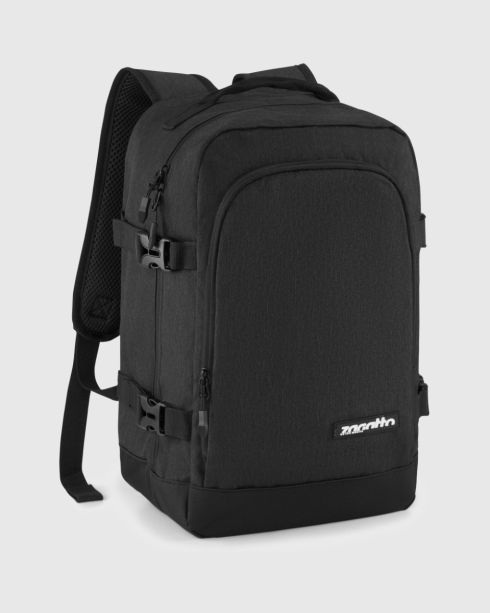
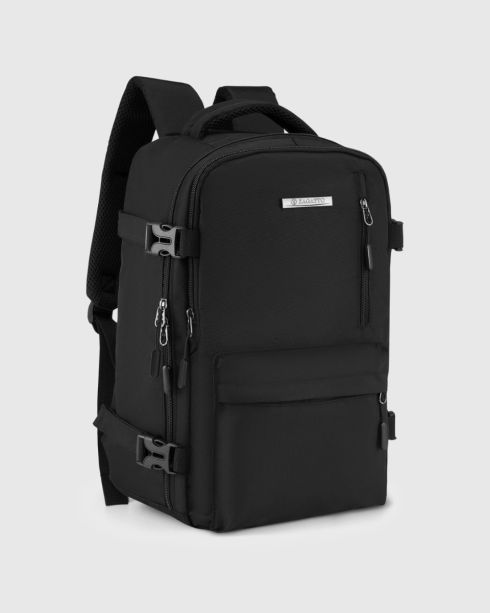
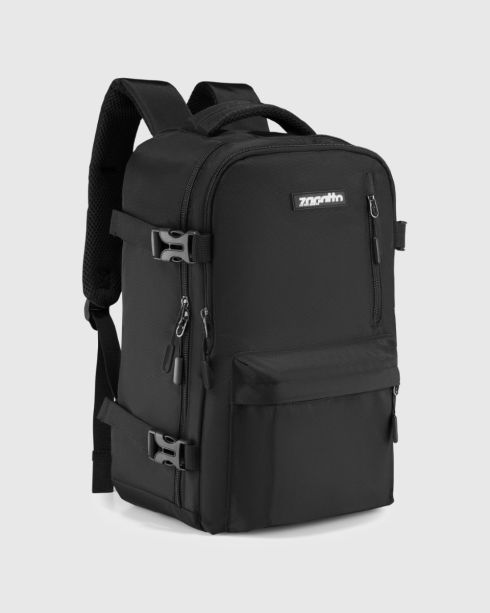
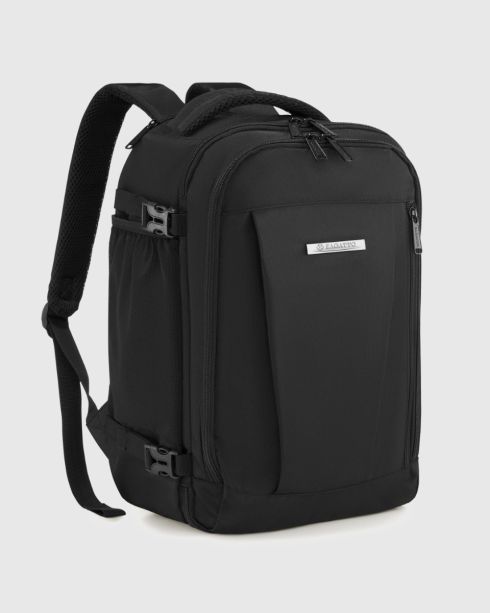
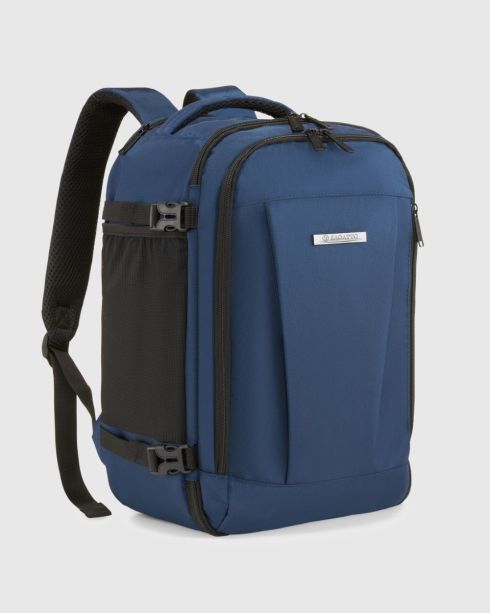
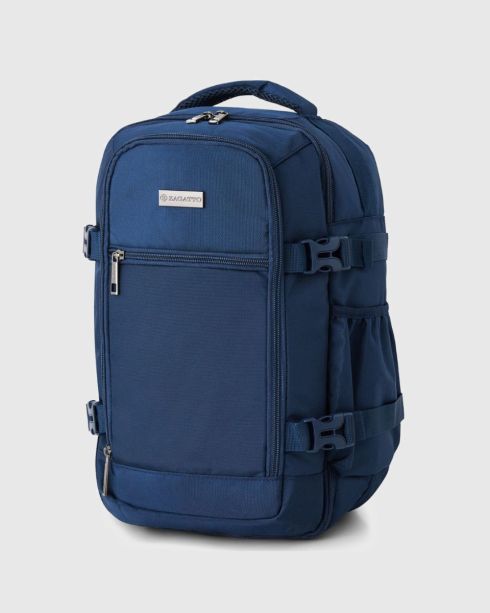
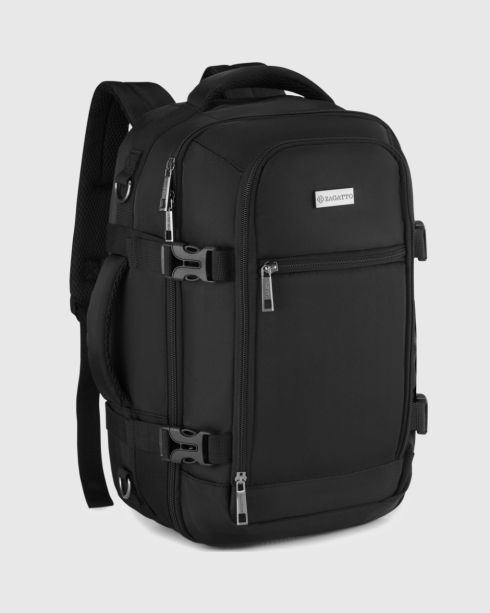
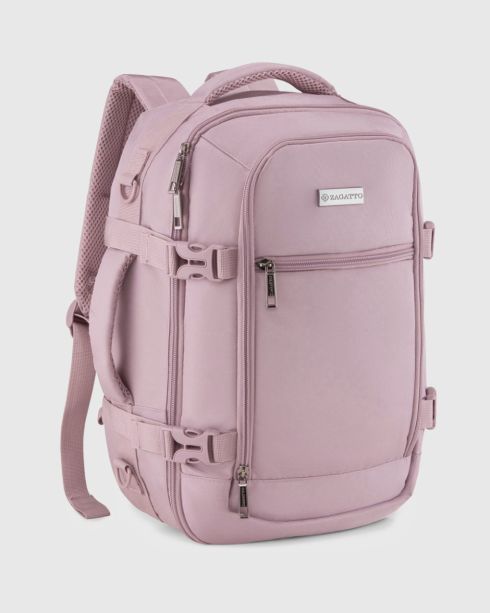
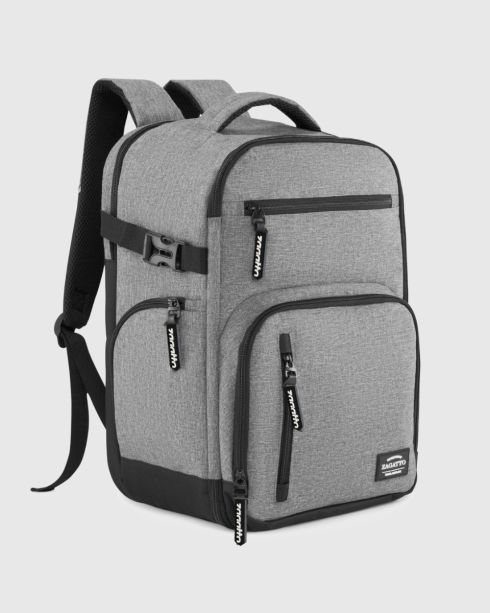
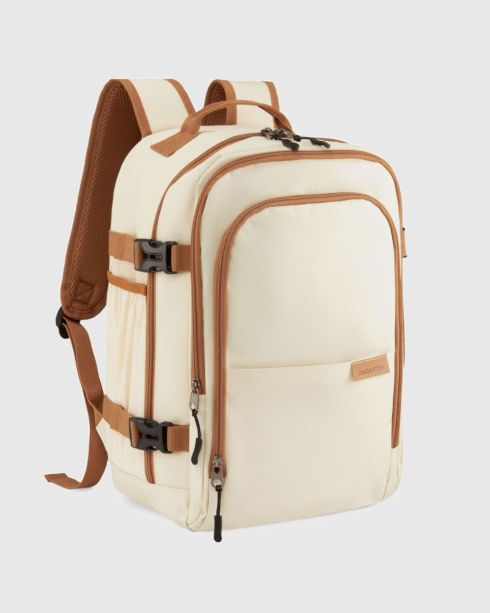
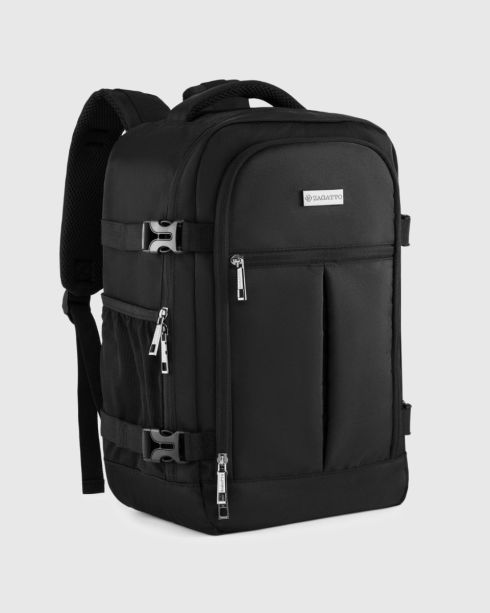
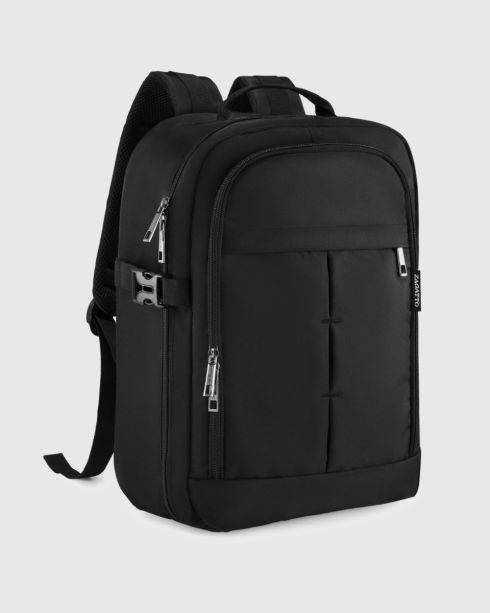
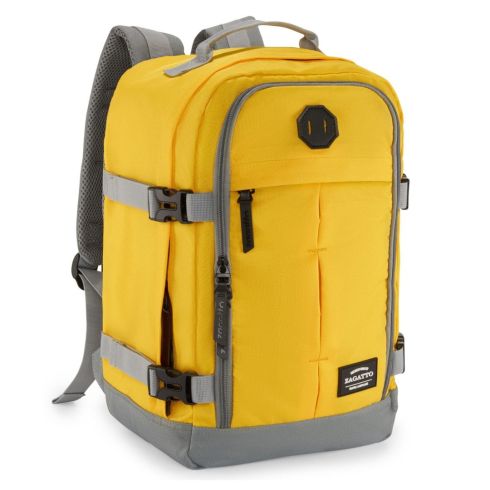
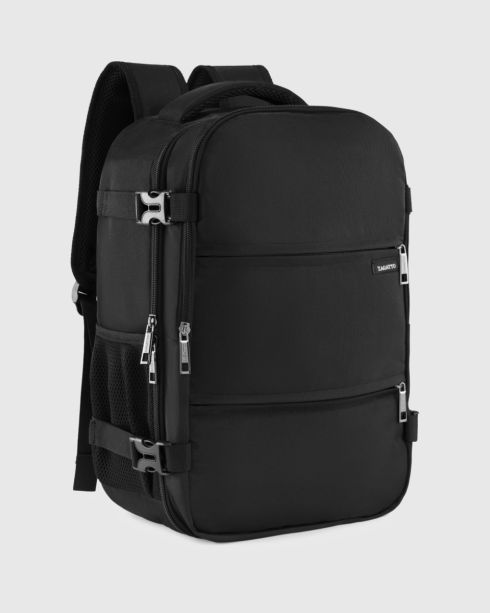
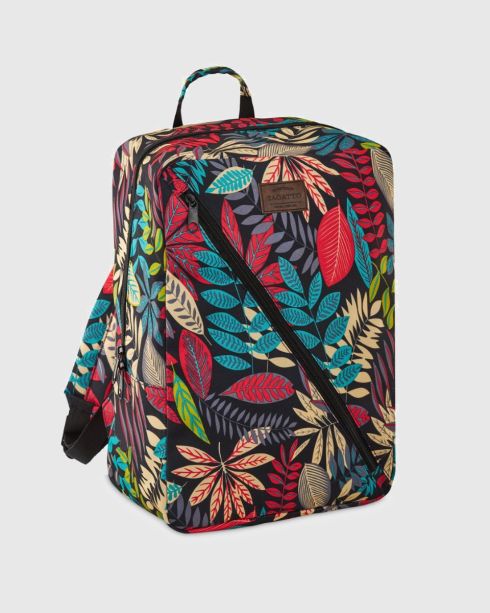
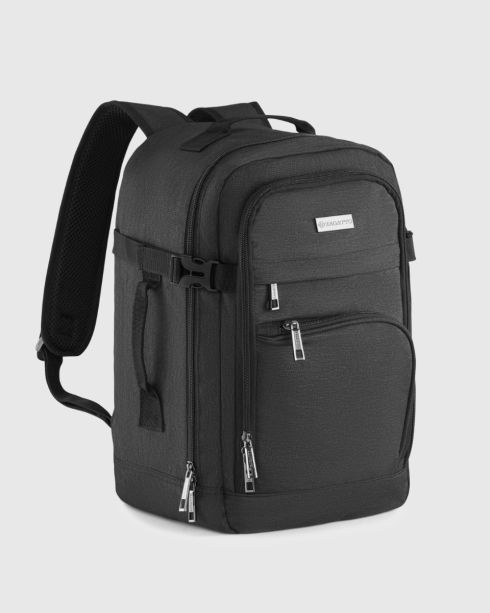
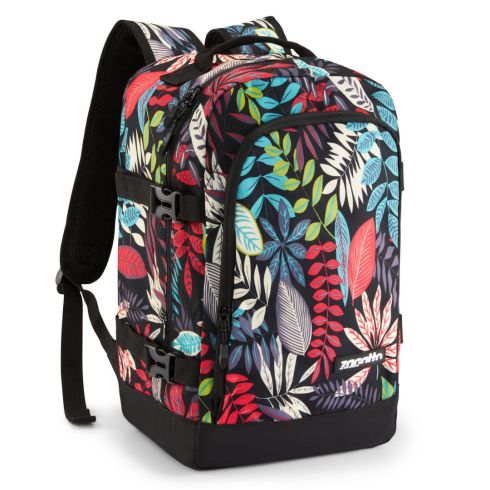
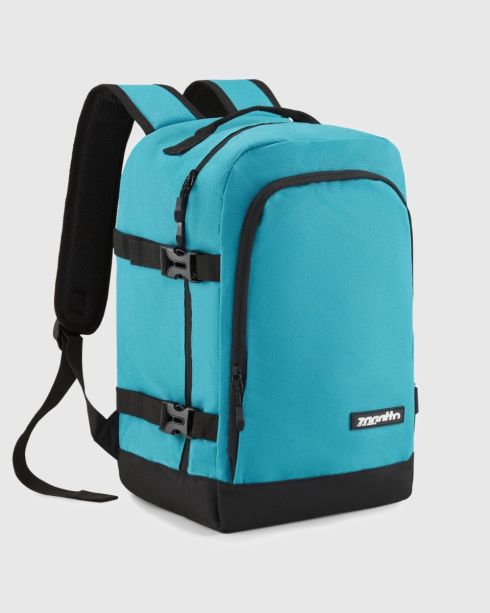
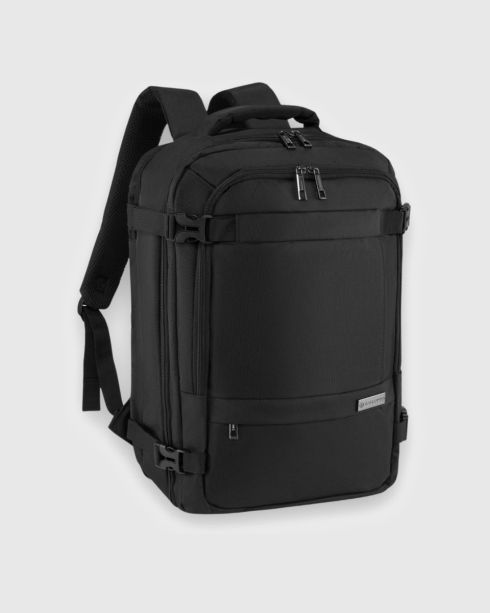
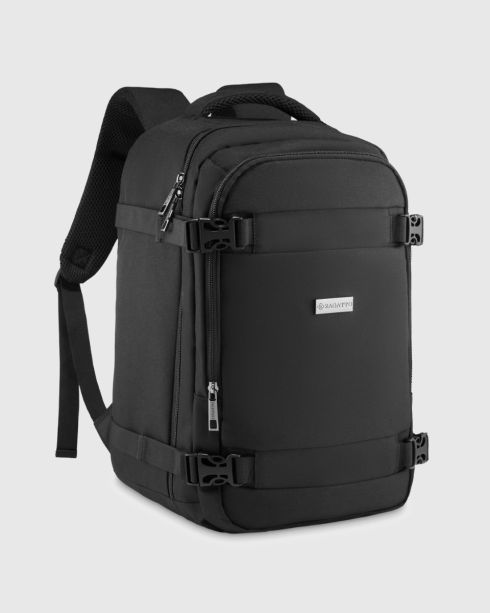
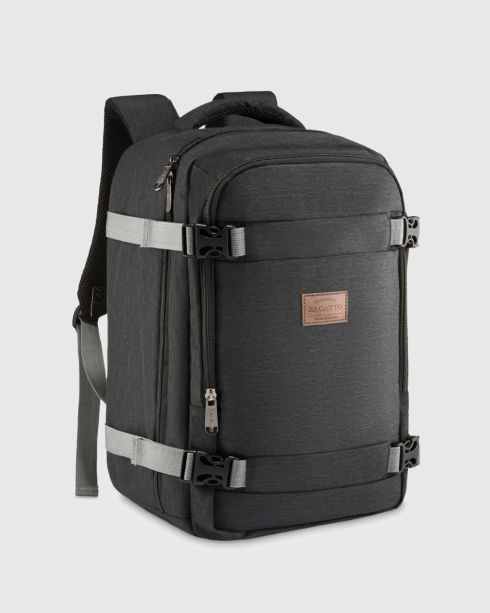
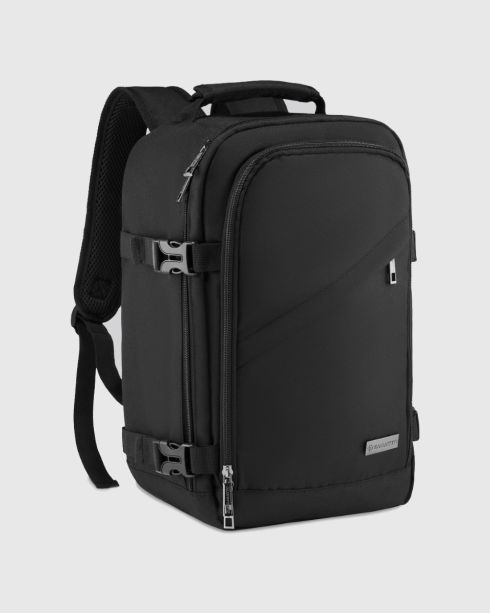
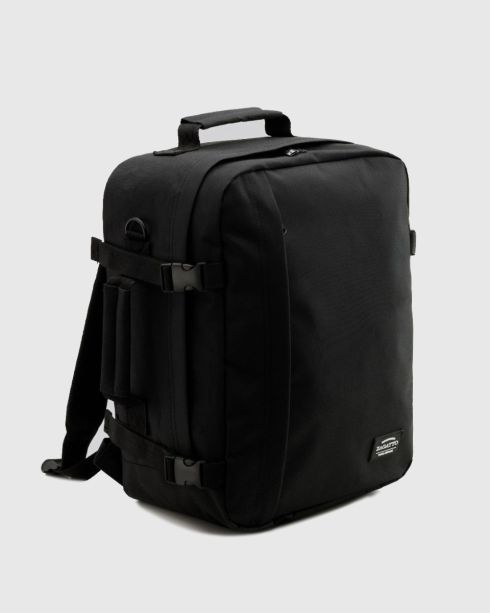
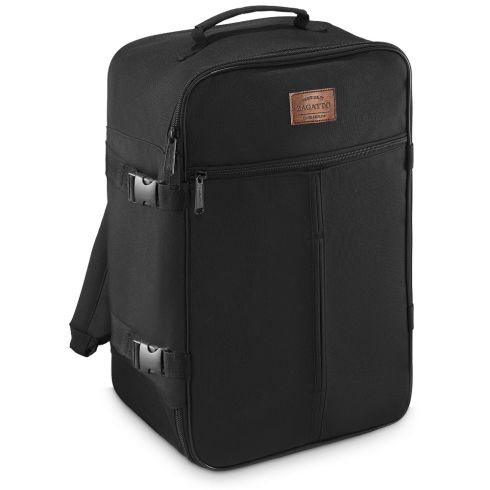
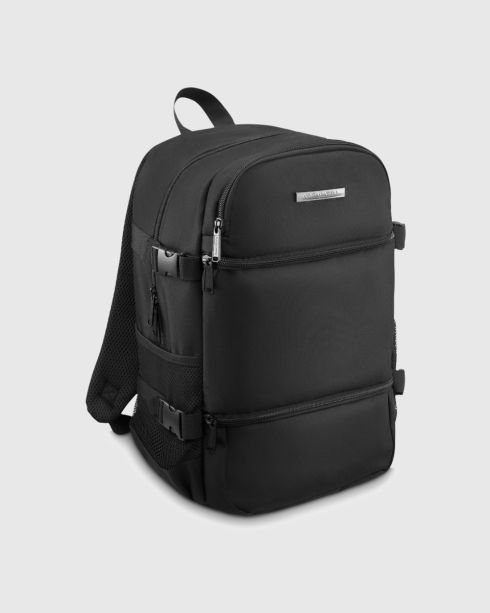
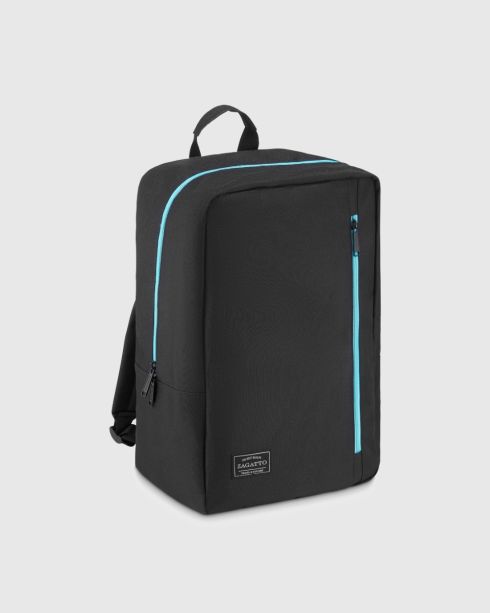
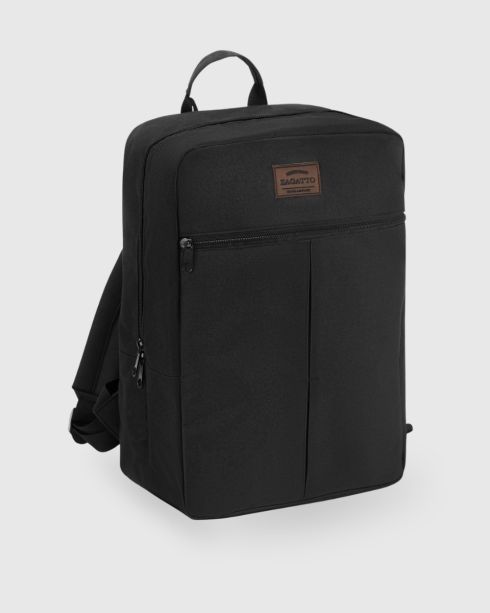
In our offer, you will find bags and backpacks specially designed to meet airline size requirements. Check below ⬇️⬇️⬇️.
Read also

How to Choose the Perfect Everyday Bag?
Read moreA handbag is not just an accessory, but often an inseparable part of every woman's daily outfit. Choosing the perfect handbag can be a challenge, but it's certainly worth dedicating some time to this topic. Here are a few tips to help you choose the ideal everyday bag, inspired by the Zagatto store's offer.
-
What Are the Types of Pencil Cases and Which One to Choose? Something for Students and More!
A sturdy and functional pencil case is an essential item for every student. It’s important to pay attention to aspects such as shape, capacity, design, and the quality of construction. Based on our selection, we’ll see what types of pencil cases there are and how to equip them for students of different grades.Read more -
Who and when created the first backpack? All about backpacks.
A backpack is an accessory that seems essential for school, as well as for mountain hiking. After all, a well-designed backpack distributes the weight evenly, so neither the shoulders nor the back are excessively burdened. But who and when created the first backpack? Learn the history of the backpack.Read more -
How to Transport a Laptop? Backpack, Case, or Bag – Where Will Your Laptop Be Safe?
More and more people need to carry a laptop with them, either for work, university classes, or even school. This raises the question – how can you transport it safely to avoid water damage or physical damage? Where will your laptop be safe – in a backpack, case, or bag?Read more